UNIVERSITY INSTITUTE – CENTER FOR INNOVATION IN CHEMISTRY AND ADVANCED MATERIALS
«Tackling the new challenges of Fine Chemistry and Advanced Materials Chemistry requires specialized expertise across the different fields of modern chemistry. Through its external activities, CINQUIMA serves as an online platform that fosters contact and collaboration among professionals within the Institute, as well as with companies and other organizations»
RESEARCH
Research Groups
At the CINQUIMA Institute, researchers work across the following research units:
GIR Catálisis y Polímeros (CYP)
Leader: Ana Carmen Albéniz Jiménez – albeniz@uva.es
Website: gircatalisishomogenea.blogs.uva.es
Phone number: 983185808
+ INFO
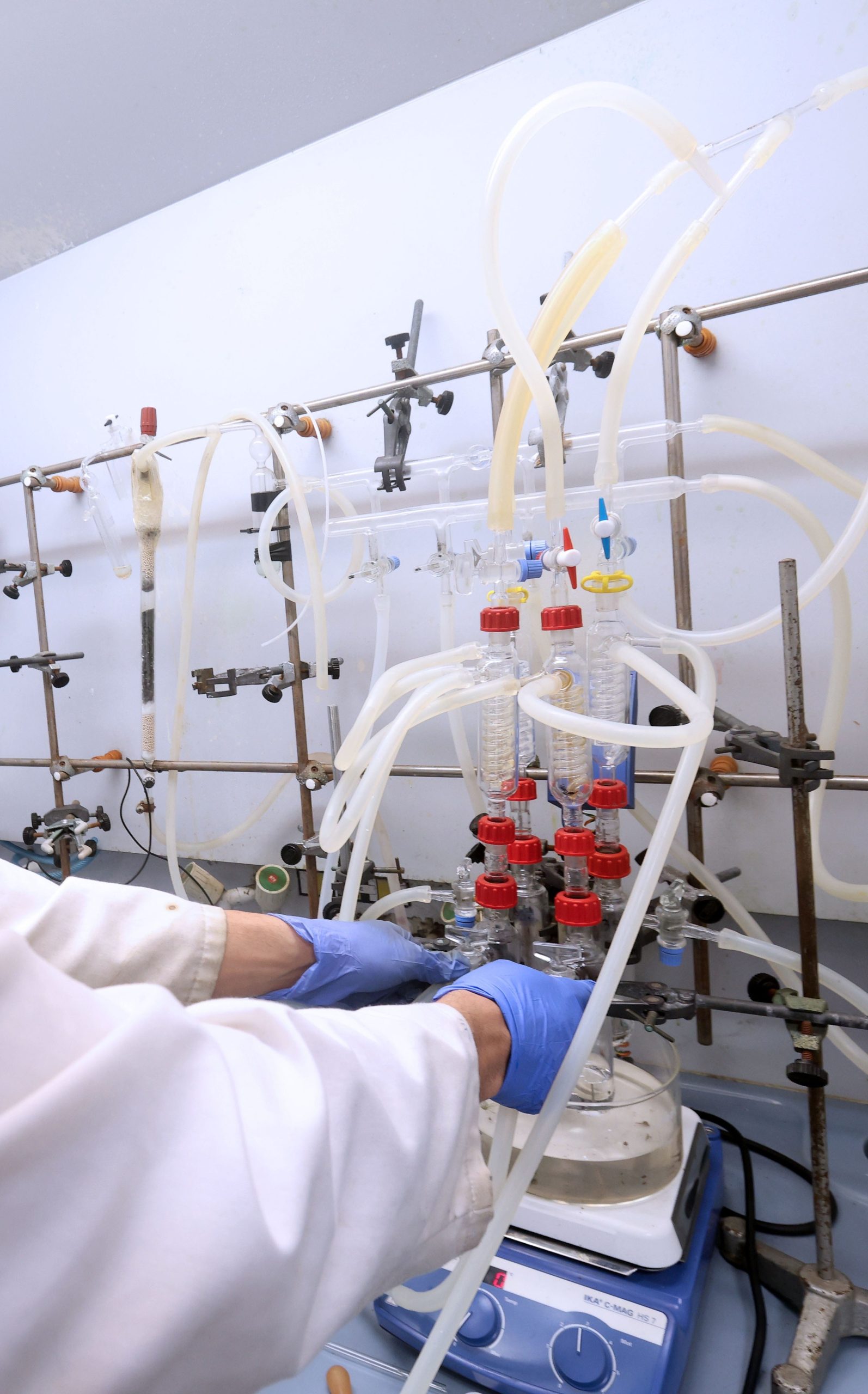
 Our group’s work is rooted in Organometallic Chemistry and Catalysis, and it focuses on three main areas: the study of catalytic reaction mechanisms and each of their elementary steps; the investigation of new reactions relevant to synthetic processes and the development of new catalytic processes of interest; and the creation of new methodologies for fine chemistry and catalysis, particularly the use of polymers as supports for reagents or catalysts. To carry out this research, we have extensive experience in organometallic synthesis and in handling air‑sensitive compounds. We also synthesize and characterize polymers. Our work relies on a wide range of structural determination techniques, chromatographic methods, and calorimetry.
GIR Cristales Líquidos y Nuevos Materiales (CliNuMat)
Leader: Silverio Coco Cea – silverio.coco@uva.es
Website: cristalesliquidosynuevosmateriales.blogs.uva.es
Phone number: 983184624
+ INFO
Our group has more than three decades of recognized experience in the Chemistry of Molecular Materials, mainly focused on liquid crystals and, more specifically, on metallomesogens. The characteristic properties of these self-organizing and easily processable materials make them highly attractive for industrial applications, as they can act as carriers of a wide range of functionalities, including electronic and optical properties, as well as sustainable catalytic applications. We are currently working on new materials—both liquid crystals and polymers—including the synthesis of molecules capable of self-organizing into nanostructured condensed phases containing metal fragments as modulators of the system’s properties, and the development of polymers for sustainable catalytic applications.
GIR Técnicas de Separación y Análisis Aplicado (TESEA)
Leader: José Bernal del Nozal – jose.bernal@uva.es
Website: tesea.uva.es
Phone number: 983184895
+ INFO
The group was formed through the merger of the former Chromatography and Related Techniques group and the Applied Chemical Analysis group, with the aim of researching and developing methodologies capable of addressing real problems of economic and social relevance. Its objectives include: training qualified personnel in modern analytical techniques widely used across sectors such as academia and industry, through specialized theoretical and practical courses; analyzing complex samples, which often requires the use of hybrid and multidimensional techniques; and collaborating with public agencies and private entities in solving chemical‑analytical problems, validating methodologies, developing prototypes, and related activities.
GIR Síntesis Asimétrica y Catálisis (SintACat)
Leader: Rubén Manzano San José – ruben.manzano@uva.es
Website: sintesisasimetrica.blogs.uva.es
Phone number: 983185868
+ INFO
The Asymmetric Synthesis and Catalysis Group, recognized as a Consolidated Research Unit (UIC 378) by the Regional Government of Castilla y León, has been dedicated since its foundation to the pursuit and development of new synthetic methodologies for the sustainable preparation of enantiopure compounds. Among our current research lines, organocatalysis stands out, particularly the development of new supported organocatalysts for enantioselective transformations. A different approach involves the use of amino alcohols—prepared from perhydro‑1,3‑benzoxazines derived from (–)-8‑aminomenthol—as chiral ligands in the enantioselective addition of various organozinc reagents to aldehydes, α‑ketoesters, and α‑diketones.
GIR Moléculas Inorgánicas y Organometálicas con Metales de Transición (MIOMeT)
Leader: Daniel Miguel San José – daniel.miguel@uva.es
Website: miomet.blogs.uva.es
Phone number: 983184096
+ INFO
The overall objective of our work is the synthesis, reactivity, and study of the physical properties of organometallic or coordination compounds of transition metals, particularly those with biological relevance or applications in nanotechnology.
GIR Espectroscopía de Plasmas y Chorros Supersónicos (GEPCS)
Leader: Alberto Lesarri Gómez – alberto.lesarri@uva.es
Website: albertolesarri.blogs.uva.es
Phone number: 983185895
+ INFO
The Plasma Spectroscopy and Supersonic Jets Group is a Recognized Research Group (GIR) and a Consolidated Research Unit (UIC‑161) with three main research lines: (1) structural characterization of molecules and intermolecular complexes stabilized by non‑covalent interactions; (2) investigation of the properties of highly ionized gases; and (3) computational modeling of molecules, reactions, and plasmas. The group combines information obtained from high‑resolution spectroscopic techniques based on molecular rotation, vibrational laser spectroscopy, and ab initio quantum‑mechanical methods, providing a comprehensive description of both the molecules and their aggregation or reaction processes.
GIR Synthesis of Organic and Inorganic Chemicals (SYNOI Chemicals)
Leader: Celedonio Álvarez González – celedonio.alvarez@uva.es
Website: synoichemicals.uva.es
Phone number: 983184520
+ INFO
The overall objective of our work is the synthesis, reactivity, and study of the physical properties of organometallic or coordination compounds of transition metals, particularly those with biological relevance or applications in nanotechnology.
GIR Espectroscopía de Rotación (GIER)
Leader: Juan Carlos López Alonso – juancarlos.lopeza@uva.es
Website: gier.blogs.uva.es
Phone number: 983185891
+ INFO
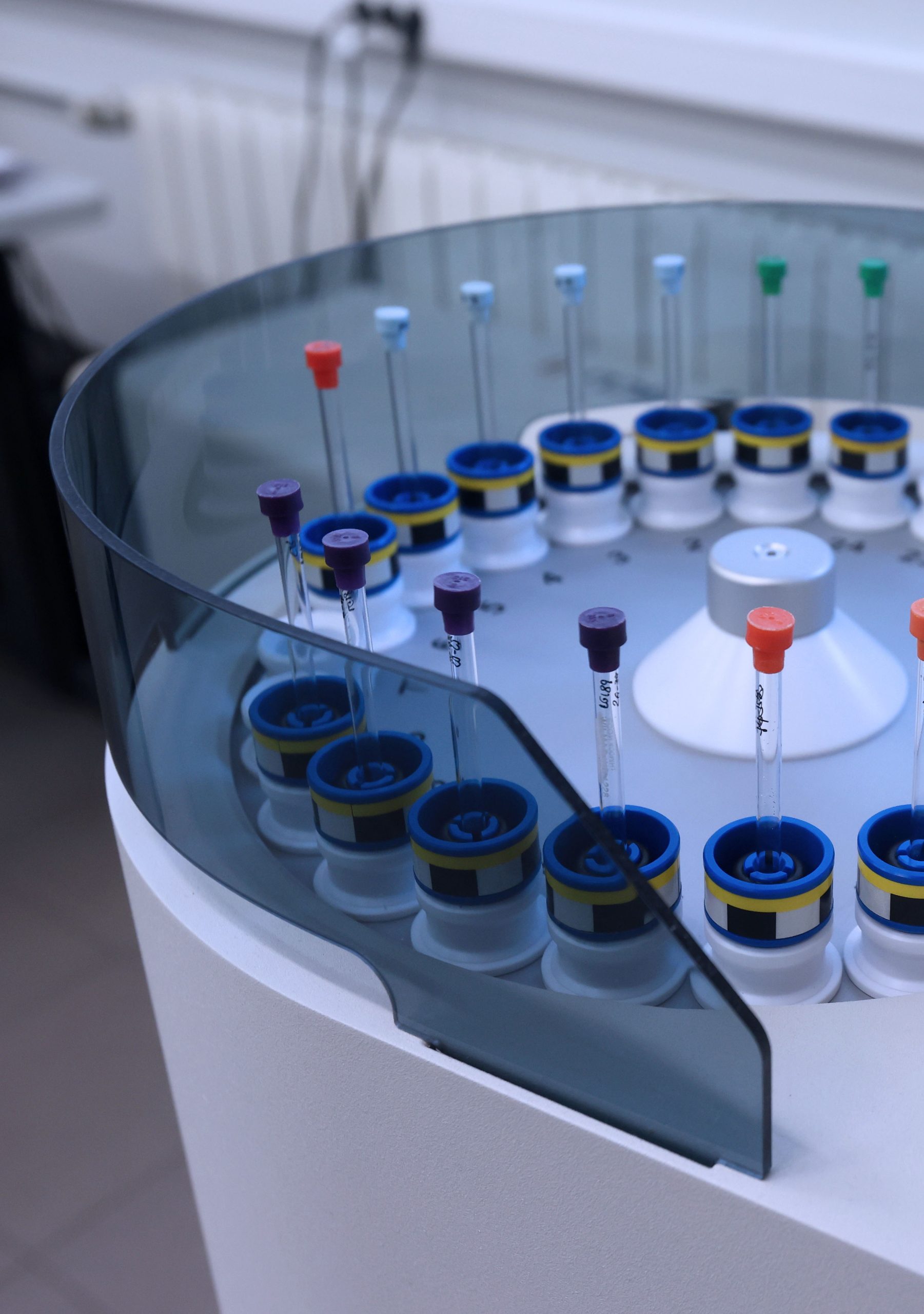
The Molecular Rotation Spectroscopy Research Group – GIER (UVa Recognized Research Group, UIC 293 JCyL) uses and develops rotational spectroscopy techniques to study the structure, interactions, and dynamics of molecules and molecular complexes. The experimental techniques employed include Fourier‑transform microwave spectrometers, both narrow‑band systems with Fabry–Pérot cavities (MB‑FTMW) and broadband chirped‑pulse instruments (CP‑FTMW), both operating with supersonic jets and laser ablation methods. These setups enable the study of isolated molecules at very low temperatures, as well as unstable molecular complexes or adducts. Among the latter, microsolvated complexes of molecules, biomolecules, and systems of pharmaceutical interest are analyzed, allowing the investigation of solvation processes, as well as prereactive systems that help elucidate possible reaction mechanisms. These studies are complemented by quantum‑mechanical calculations, which support the interpretation of the experimental data and provide a more complete understanding of the systems under investigation.
PharmaSíntesis
Leader: Alfonso Pérez Encabo – alfonso.perez.encabo@uva.es
Phone number: 983185867
+ INFO
Our work is organized into four main research lines: the development of new chemo‑sustainable processes in steroid chemistry; new methodologies for obtaining active pharmaceutical ingredients; new catalytic and organocatalytic processes; and the synthesis of new materials. We also work on the synthesis of phosphatidylcholine and myo‑inositol derivatives for the study of inflammatory processes.
DIVISIONS
Researchers at the CINQUIMA University Institute work collaboratively, creating synergies between diverse areas of chemistry to enrich their research.
Catalysis and Reactivity of Organometallic Compounds
Coordinator: Ana Carmen Albéniz Jiménez
+ INFO
- Polymerization Catalysts and Polymers with Special Properties
- C–C Coupling Catalysis in Fine Chemistry for the Construction and Modification of Functionally Sensitive Molecules.
- Mechanistic Studies for the Design and Synthesis of Catalysts.
- Development of Environmentally Benign and Biocompatible Catalysts and Reagents for Pharmaceutical Synthesis.
- Development of Enantioselective Catalysts.
RESEARCHERS:
Celedonio Álvarez SYNOI
José María Andrés SintACat
Celia Andrés SintACat
Mª Jesús Baena CliNuMat
Héctor Barbero SYNOI
José Miguel Martín MIOMeT
Jesús Mª Martínez de Ilarduya CYP
Jesús Ángel Miguel CliNuMat
Daniel Miguel MIOMeT
Fernando Villafañe MIOMeT
New Materials
Coordinator: Silverio Coco Cea
+ INFO
- Synthesis of molecular materials with potential applications derived from their optical, electrical, or magnetic properties (liquid crystals, dyes, polarizers, nanostructured materials, and others).
- Determination of the structural features of the molecule and the aggregated material. Study of their optoelectronic properties.
- Formulation of hypotheses relating the observed structure to the material’s activity in the measured property. Property modification.
RESEARCHERS:
Ana C. Albéniz CYP
Mª Jesús Baena CliNuMat
Manuel Bardají CliNuMat
Bibiana Comesaña CliNuMat
Ángel Lozano SMAP
José Miguel Martín MIOMeT
Laura Martín SintACat
Jesús Ángel Miguel CliNuMat
Fernando Villafañe MIOMeT
Enantioselective Synthesis
Coordinator: José María Andrés
+ INFO
- Diastereoselective Synthesis of Pharmacologically Relevant Azaheterocycles Using the Chiral Auxiliary Methodology.
- Enantioselective Synthesis of Physiologically Active Compounds.
- Modular Synthesis of Enantioselective Organic Catalysts that Mimic Enzymatic Systems (Chemzymes).
RESEARCHERS:
José María Andrés SintACat
Celia Andrés SintACat
Laura Martín SintACat
Rubén Manzano SintACat
Alicia Maestro SintACat
Javier Nieto SintACat
Alfonso Pérez GIER
Laura Toribio TESEA
Advanced Separation Techniques
Coordinator: José Bernal del Nozal
+ INFO
- Verification of results from new synthetic routes for drug development.
- Study and control of food quality and safety. Authentication and characterization of products. Analysis of microcontaminants.
- Study of the feasibility of new drug‑delivery systems, assessing their safety and traceability.
RESEARCHERS:
Celedonio Álvarez SYNOI
Ana Mª Ares TESEA
José Bernal TESEA
Mª Teresa Martín TESEA
Laura Toribio TESEA
Juan Casares CYP
Javier Nieto SintACat
Alfonso Pérez GIER
Characterization Techniques
Coordinator: Juan A. Casares González
+ INFO
- Nuclear Magnetic Resonance of various nuclei: variable‑temperature studies; reaction monitoring.
- Physicochemical Property Determination Techniques
- Chromatographic techniques. Mass spectrometry. Voltammetric techniques.
- X‑ray Diffraction for Solid‑State Molecular Characterization
- Microcalorimetry, Differential Scanning Calorimetry.
- UV–Vis and Infrared Spectroscopies, Luminometry. Polarimetry.
RESEARCHERS:
Celedonio Álvarez SYNOI
Manuel Bardají CliNuMat
Camino Bartolomé CliNuMat
José Bernal TESEA
Silvia Valverde TESEA
Silverio Coco CliNuMat
Ana Mª Ares TESEA
Ángel Lozano SMAP
Alicia Maestro SintACat
Mª Teresa Martín TESEA
Jesús Mª Martínez de Ilarduya CYP
Daniel Miguel MIOMeT
Alberto Lesarri GEPCS
Martín Jaraíz GEPCS
Alfonso Pérez GIER
Laura Toribio TESEA
INTERUNIVERSITY MASTER’S DEGREE IN SYNTHETIC AND INDUSTRIAL CHEMISTRY
This master’s program is designed to train professionals in the field of Synthetic and Industrial Chemistry who wish to orient their research toward topics related to energy, health, the environment, and new materials (including nanotechnology) with applications in catalysis or electronics.
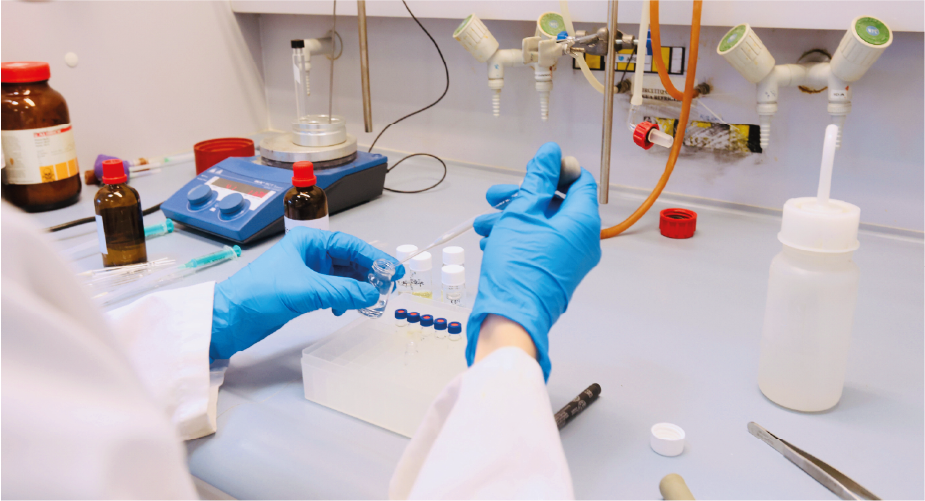
OFFICIAL DOCTORAL PROGRAM IN CHEMISTRY: SYNTHETIC CHEMISTRY, CATALYSIS AND ADVANCED MATERIALS
Through this doctoral program, researchers will gain mastery of research skills and methodologies, while also contributing to the expansion of the frontiers of knowledge in areas such as catalysis, polymers and new materials, and environmental analysis.
ABOUT US
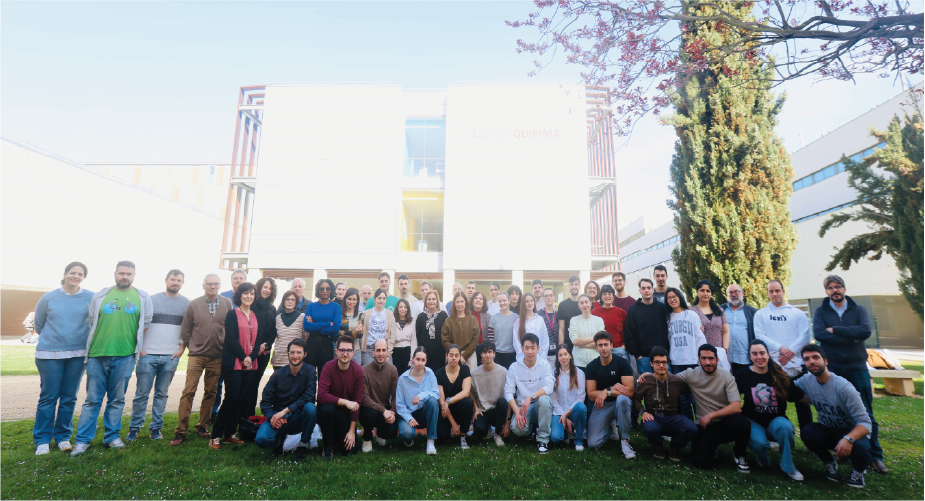
The University Institute Center for Innovation in Chemistry and Advanced Materials (CINQUIMA) is a research center of the University of Valladolid, founded in 2004, dedicated to addressing the major scientific challenges of contemporary chemistry, both in its fundamental aspects and its industrial applications. Its mission is to promote excellence in research and foster innovation through collaboration among specialized groups working in synthesis, catalysis, advanced materials, applied analysis, and environmental and interstellar chemistry.
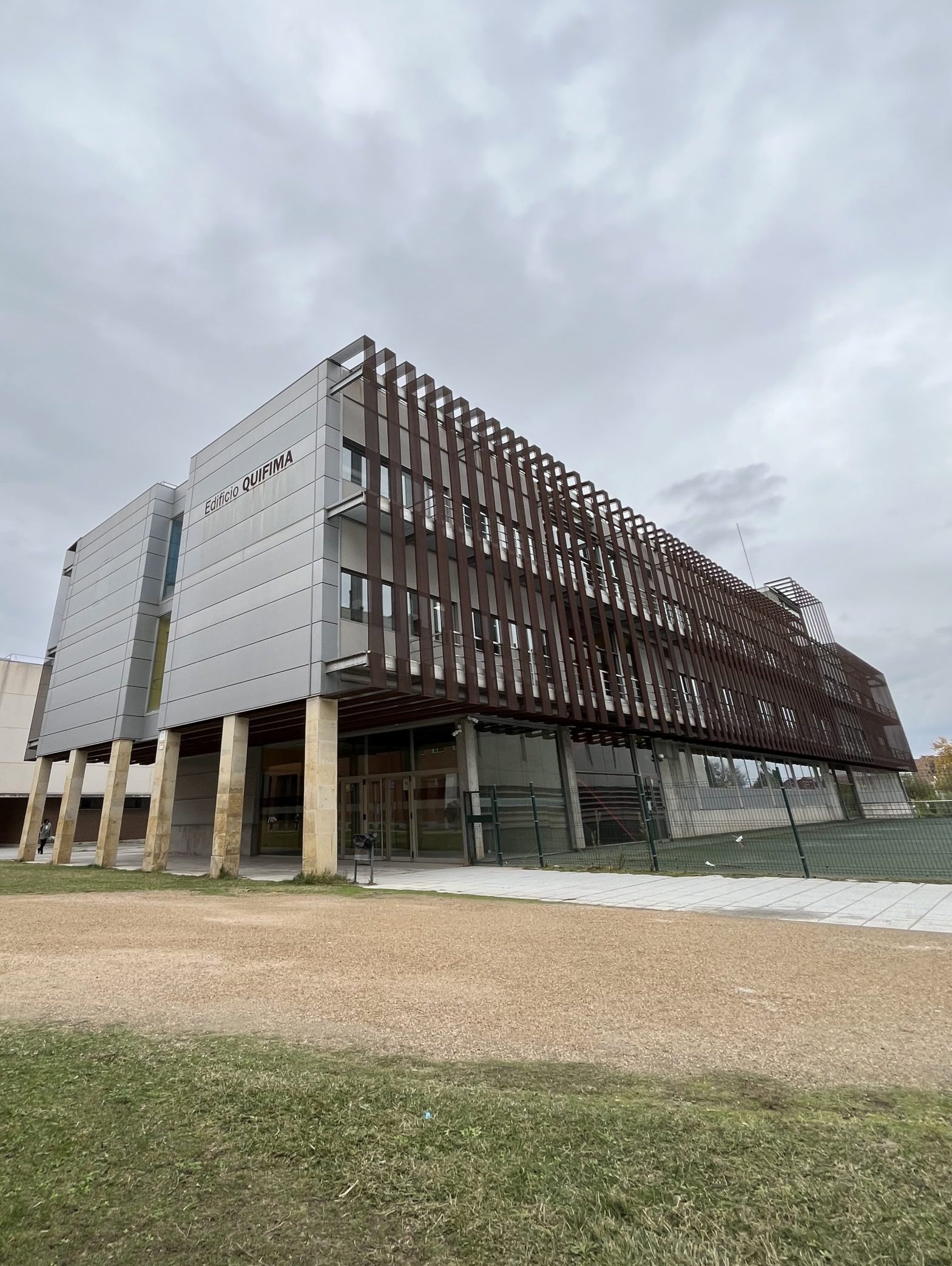
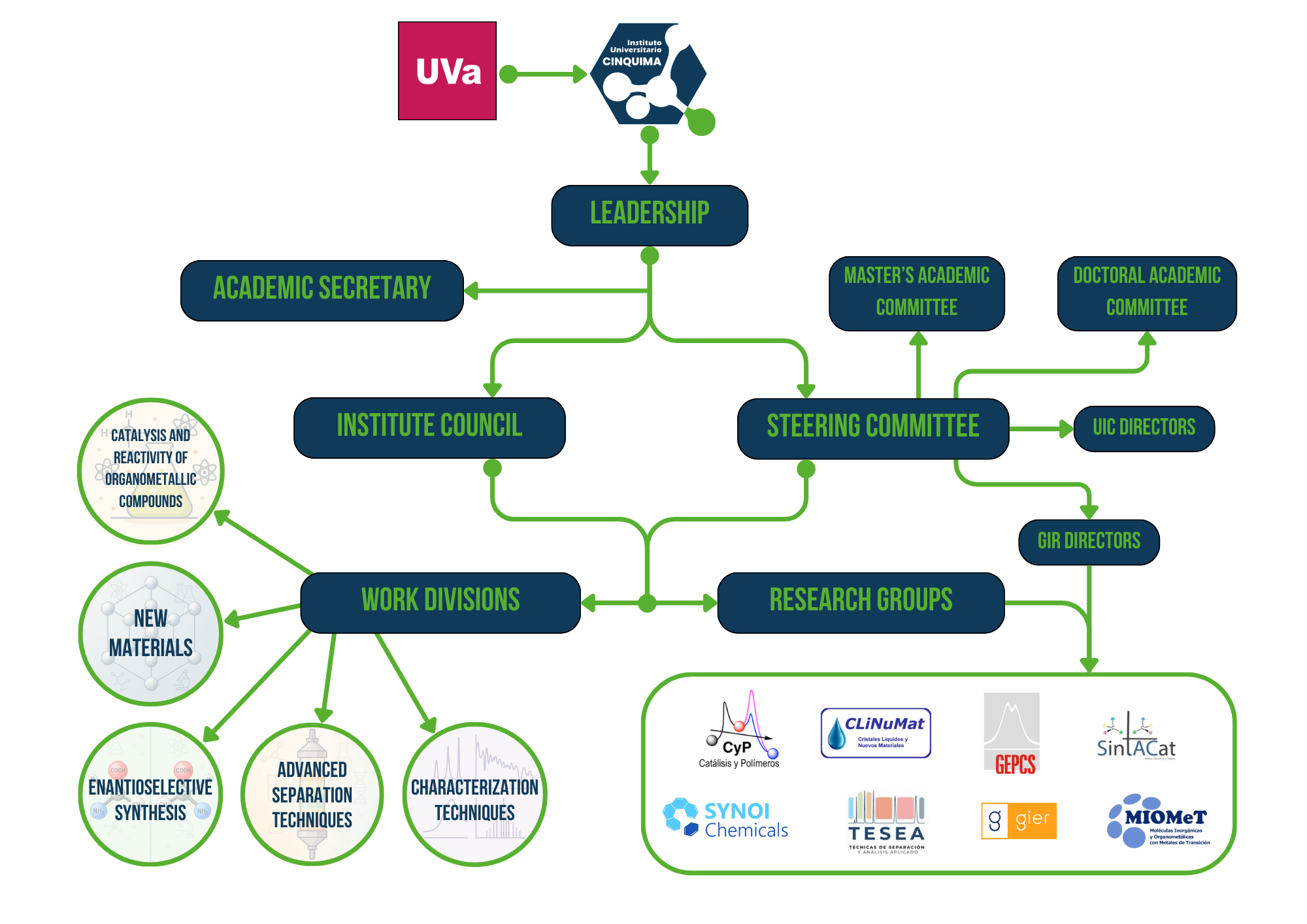
With a scientific community of 43 PhD researchers, state‑of‑the‑art scientific equipment housed in the QUIFIMA building, and a work culture rooted in collaboration, CINQUIMA brings together eight research groups organized into cross‑cutting divisions. This structure fosters synergies across disciplines and has established the Institute as the leading reference center in Chemistry in Castilla y León.
Organizational Chart of the CINQUIMA University Institute
Director’s Welcome Message
The CINQUIMA University Institute was created to facilitate and promote fundamental research in Chemistry, which ultimately forms the basis and origin of the processes used in the chemical industry for high value‑added products such as pharmaceuticals, fragrances, new materials, environmental applications, and more.
In its work, the Institute seeks to cover the key stages that are continually involved in a complete chemical process: synthesis (catalytic or stoichiometric), separation and isolation of products, and their characterization. This structure enables the Institute to support the chemical industry in non‑routine R&D activities.
It also aims to support the treatment of regional challenges through advanced chemical technology, addressing issues related to the environment, pest control, the chemical‑pharmaceutical industry, food, and cultural heritage
The Institute can be considered fundamentally unidisciplinary (Chemistry), although its results and developments connect—both thematically and in practical applications—with fields such as Physics, Biomedical Sciences, Materials Science, Energy, Food Science, and Environmental Science, among others.
I hope your visit to our website is both enjoyable and useful. The Institute’s researchers are open to collaboration in any area of chemistry. Please do not hesitate to contact us if you wish to collaborate, need expert advice, or are interested in our Master’s program or our Doctoral Program.
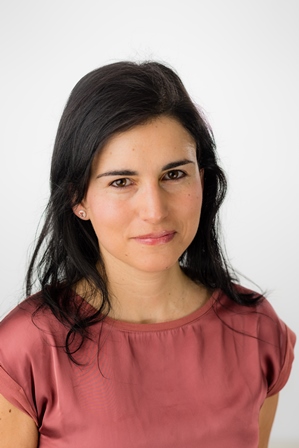
Isabel Peña
Director of the CINQUIMA University Institute